

Meat is the most expensive line on most grocery receipts and it is also the most predictable. Those two facts together make it the single best place to be deliberate, because unlike almost everything else in the store, meat rewards planning twice: once on the price, and again because it freezes.
Prices in Pittsburgh have been climbing, with beef and pork up somewhere in the 4–5% range year over year. But the seasonal pattern underneath that trend has not gone anywhere, and it is large enough to work with.
Why meat is seasonal at all
It is worth understanding the mechanism, because it tells you which patterns are reliable and which are noise.
Meat prices move on two different clocks. There is a demand clock, which is about when people want to eat something, and it is extremely regular: grilling season, holidays, the Super Bowl. And there is a supply clock, which is about herd sizes and feed costs and disease, and which moves slowly and does not care what month it is.
The demand clock is the one you can shop against. It repeats every year, in the same direction, at roughly the same time, because it is driven by a calendar rather than by anything happening in the world. The supply clock is why the whole band drifts upward over the years.
Beef: the grilling season spike
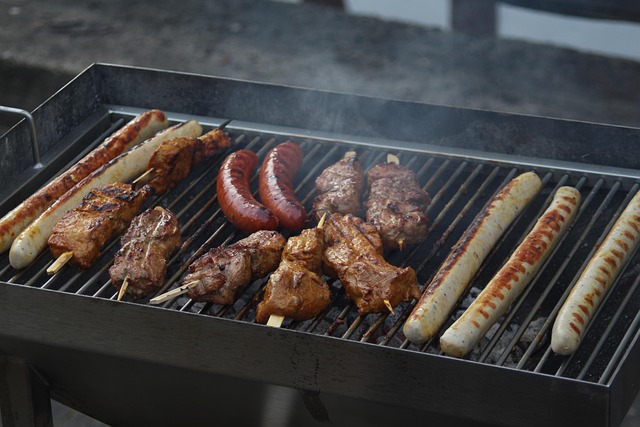
Beef has the clearest pattern of the three, and the largest swing.
Prices climb from roughly May through July as grilling season arrives, with steaks and ground beef taking the biggest increases. Memorial Day, the Fourth of July and Labor Day are the three peaks, and the run-up starts a week or two before each of them rather than on the day.
Best times to buy
- January through March. The quietest demand of the year. Nobody is grilling in Pittsburgh in February, and the holiday roasts are done.
- Late September into October. After Labor Day and before the holiday roast season starts pulling prices back up.
- The week after a grilling holiday. Stores over-order for the weekend and mark down what is left. This is the most reliable single opportunity in the beef calendar.
Times to avoid
- The ten days before Memorial Day, the Fourth of July and Labor Day. Peak demand and peak price, particularly on steaks, burgers and anything sold as a "grilling pack."
- Mid-December, for roasts and larger cuts specifically. Ground beef is mostly unaffected.
Freeze ground beef and steaks in February and March. Beef holds well for six to twelve months if it is wrapped properly, which means getting the air out. The styrofoam-and-cling-film tray it comes in is not freezer packaging and will give you freezer burn in about two months.
Chicken: stable, with a summer bump
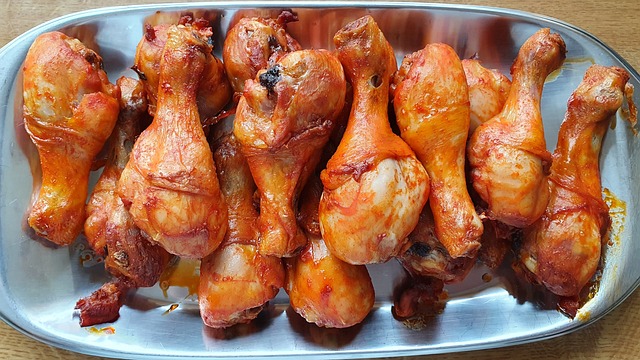
Good news for Pittsburgh shoppers: poultry and fish prices have actually come down in our area recently. And chicken is structurally more stable than beef throughout the year.
The reason is that chickens are fast. The production cycle for a broiler is weeks rather than years, so supply responds to demand quickly enough to smooth out most of what would otherwise be a price swing. Cattle cannot do that, which is why beef has a much longer memory.
You will still see a summer bump on the grillable cuts, thighs and drumsticks and wings, and a genuine spike on wings around the Super Bowl, which is one of the most reliable price events in the entire grocery calendar.
Best times to buy
- Any time, honestly. This is the least seasonal protein in the case, so build the rest of your planning around beef and pork and treat chicken as your fallback.
- Late winter, for breasts and whole birds, which dip slightly outside grilling months.
- Immediately after the Super Bowl, for wings.
Whole chickens are almost always cheaper per pound than parts, often dramatically so. Breaking one down takes about five minutes once you have done it twice, and it produces a carcass that makes stock, which is the cheapest good thing in cooking. If you buy chicken regularly and you buy it in parts, this is the largest single saving available to you in the meat case.
Pork: holidays and grilling both
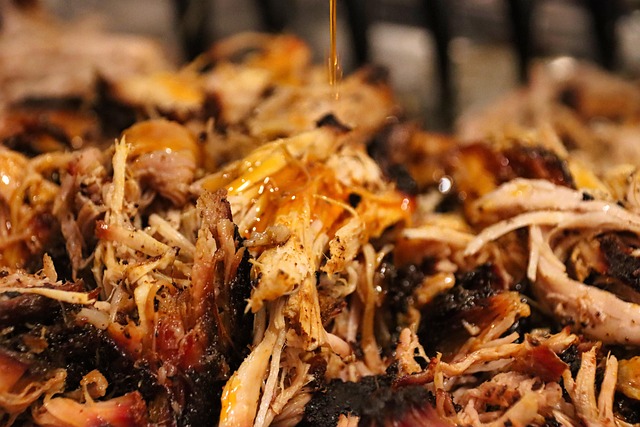
Pork gets hit from both directions, which makes it the trickiest of the three to time.
Ribs and chops spike during grilling season alongside beef. Loins, hams and shoulder spike around the winter holidays and Easter for entirely different reasons. The result is a calendar with two peaks rather than one.
Best times to buy
- January and February, once the holiday roasts have cleared and before grilling starts.
- September and October, the gap between the two seasons.
- Pork shoulder, most of the year. It is the least fashionable cut in the case, it is consistently among the cheapest per pound, and it is nearly impossible to ruin.
Times to avoid
- Ribs and chops from late May through early September.
- Ham in the two weeks before Christmas and Easter.
The one thing that beats all of this
Timing is worth real money and it is worth less than the two boring things.
Buy the unfashionable cut. The gap between chuck and ribeye, or shoulder and loin, or thigh and breast, is larger than any seasonal swing in this post. Seasonality moves prices by single-digit percentages. Cut selection moves them by half. If you only do one thing, learn to cook two cuts you currently ignore.
Compare per pound, at the same fat ratio. Ground beef at 80/20 and 93/7 are different products at different prices, and a store advertising cheap ground beef is frequently advertising the fattier one. That is not dishonest, but it is not a like-for-like comparison either, and it is the most common way meat pricing misleads people. The unit price problem is at its worst in the meat case, where some things are priced per pound, some per package, and some per "family pack" of unspecified size.
How I actually do it
I check the meat flyer before I decide where to shop, rather than after. That inverts the normal order and it is the whole trick. A conventional grocer running an aggressive meat promotion is very hard to beat that week, and the same store off-promotion is unremarkable.
Then I buy more than I need, twice a year, in the February and September troughs, and I portion and freeze it properly. The freezer is doing the same job a pantry does for shelf-stable goods: it lets you buy on the store's schedule instead of your own.
And I stopped buying chicken breasts in packs of two. That is not a price strategy so much as an admission that I was paying a large premium for somebody else to do five minutes of work.
If you want to check what a specific cut is running at the stores near you rather than trusting a seasonal average, that is what the comparison tool is for.