

Hi! I'm Ashley and as I learn about the business of grocery stores, I wanted to share that information with you. This insight helps to remind me of how complicated the whole grocery store business really is.
The Journey to Your Cart: What Drives Grocery Costs
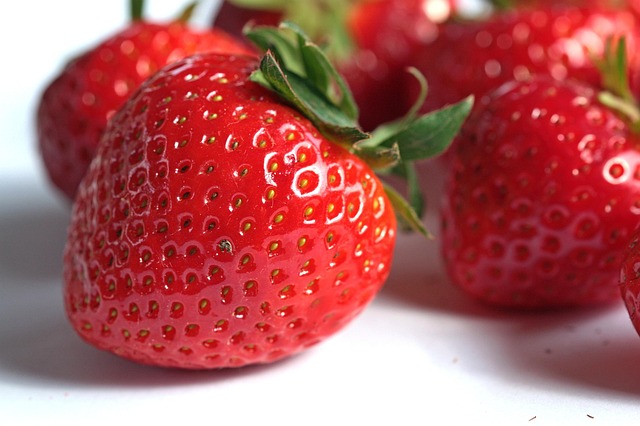
Grocery shopping can put a real dent in your wallet, for good reason. The prices you see on the shelf are a complex mix of many factors and decisions that occur well before the product is placed on the shelf. When you step back and think about everything that is involved with getting the groceries to the store so you can select it for your basket, there are a lot of links involved in that chain, both physically and emotionally. And those links directly affect the price you pay for groceries. Let’s start with the supplier of a product: strawberries. The grower starts with seeds or clippings and the farmland to grow the strawberries. The fruit requires irrigation, fertilization, and finally when it’s time to pick the strawberries, manual laborers must be paid to pick and package them, gently, to get shipped to the market by an organized set of distribution networks. Given the fragile nature of strawberries, they must be handled gently during packaging and transport, and they also must be transported in a cool environment to prevent spoilage. All of this needs to happen within days so the strawberries are fresh for you at the store. Once the strawberries arrive at the store, they are tended to by the produce clerks and kept in a cooler until there is space on the shelves to display them for the customer. Up until this point, all the costs have been with the supplier (grower) and the distribution network. These costs have involved the necessities to grow the strawberries (seeds, farmland, water for irrigation, fertilizer, packaging products for transport, and labor) and the costs to get them to market (coolers, refrigerated trucks within distribution networks, and labor). Now, we need to consider the costs of the grocery store. I already discussed the produce clerk and the refrigeration needed to keep the strawberries from spoiling at the store. Prices of the strawberries are then marked up by the grocery store, usually by a percentage, to cover the expenses of the grocery store. A percentage markup applied to grocery store products is an easier way to account for those expenses rather than calculating and assigning a cost to an individual pint of strawberries. This mark-up generally covers the grocery store’s operating expenses like rent, utilities, labor, and the amount of product they accept that cannot ultimately be sold because it spoils – this is known as shrink. However, the amount of mark-up can vary depending on the category of product. Commodity items like milk or eggs typically have a 10-15% mark-up while packaged goods are in the 25-50% range and prepared foods can have an even higher mark-up. When you pick up that container of strawberries at the store, you're not just paying for the fruit itself—you're compensating everyone involved in an intricate chain that spans farms, distribution centers, refrigerated trucks, and store operations. Each link in that chain adds legitimate costs that must be covered for the system to function. The markup you see isn't arbitrary price-gouging. It's a carefully calculated percentage designed to keep the lights on, pay employees fair wages, maintain equipment, and account for the inevitable losses from products that spoil before they sell. While 10-50% markup might sound high at first, consider what it covers: the store's rent in your neighborhood, the utilities to keep those refrigerators running 24/7, the overnight stocking crews, the produce clerks who rotate stock and remove damaged items, the cashiers, the security systems, and the financial reserves needed to absorb the strawberries that go bad before anyone buys them. Different product categories carry different markups because they involve different levels of risk, handling, and expertise. Fresh produce requires constant monitoring and has high shrink rates, while shelf-stable packaged goods are more forgiving. Prepared foods in the deli require skilled labor and specialized equipment. The pricing reflects these realities.
What This Means for Your Shopping
Understanding this complexity helps explain why grocery prices vary so much—not just between stores, but from week to week and season to season. A late spring frost in California doesn't just damage strawberry crops; it cascades through every cost layer we've discussed, ultimately affecting what you pay in Pittsburgh. It also explains why shopping strategically matters. When you understand that prices reflect everything from fuel costs to labor shortages to weather patterns, you realize that timing your purchases and comparing options across stores isn't just penny-pinching—it's working with the system intelligently. This is where tools like Smopper become valuable. By helping you track prices across stores and over-time, Smopper lets you see past the sticker price to understand whether you're paying a premium due to temporary supply issues, or whether another store is offering a genuinely better value on the same product that traveled through essentially the same supply chain.
But the Story Doesn't End Here

Getting products to the shelf is only half the equation. Once those strawberries are displayed in the produce section, an entirely different set of strategies kicks in—strategies designed to influence which products you choose and how much you buy. So, you can see how complex just even a little strawberry can be to grow, nurture, and get to you so you can enjoy it at home. When I think in these complex terms of all the people and resources involved in getting fresh food to consumers, I'm in awe of the process. It doesn't mean I don't get upset at the pricing, but I do understand all the time, effort, and resources it takes to bring me some beautiful strawberries for a nice summer dessert!