
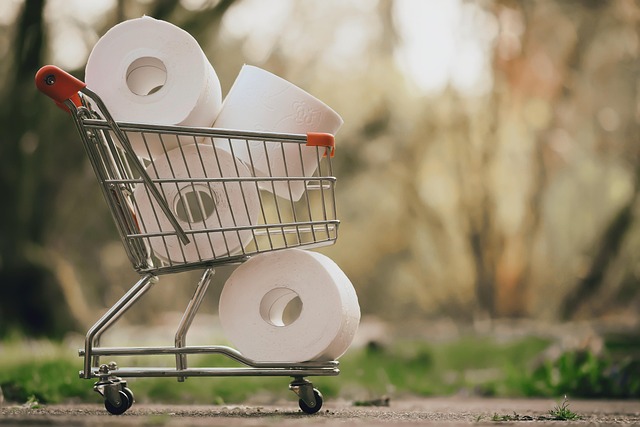

Hi! I'm Ashley and I'm here to learn with you on ways we can save money at the grocery store. In this blog post, we'll talk about ideal ways to build a stockpile.
The Strategic Pantry
Walk into any grocery store on a Wednesday afternoon and you'll see two types of shoppers: those grabbing what they need for tonight's dinner at whatever the current price is, and those with carts full of pasta, canned goods, and chicken breasts—clearly stocking up on something that's on sale. I would love to ALWAYS be the thoughtful, long game shopper, but I am usually shopping for tonight's dinner. The second group understands something fundamental about grocery savings: the best time to buy something is when it's cheap, not when you need it. Building a strategic stockpile—a well-organized pantry of items purchased at their lowest prices—is one of the most effective ways to reduce your grocery spending over time. But stockpiling isn't about hoarding or buying things you'll never use. It's about creating a buffer that lets you shop the sales cycle rather than being forced to pay full price when you run out. Done right, a good stockpile can reduce your grocery bills by 20-40% without requiring extreme couponing or eating foods you don't enjoy. Let's explore how to build a stockpile that actually saves money without wasting food, money, or space.
Understanding the Sales Cycle
Before you start stockpiling, you need to understand why it works. Most grocery items follow predictable sales cycles—periods when they're discounted significantly below their regular price. Non-perishable staples typically go on deep discount every 6-12 weeks. Pasta, canned goods, cereal, and shelf-stable items rotate through promotional cycles where stores offer 30-50% off to drive traffic and build basket size. If you buy enough during the sale to last until the next sale cycle, you never pay full price. Meat and proteins follow seasonal patterns. Chicken is cheapest in spring and summer, beef around grilling season and major holidays, pork around football season. Turkey prices plummet before Thanksgiving. If you have freezer space, buying proteins during these windows and freezing them can generate substantial savings. Seasonal produce has dramatic price swings. Berries in summer, squash in fall, citrus in winter—buying and preserving during peak season means you're not paying premium winter prices for summer produce. The key insight: patient shoppers who can wait for the sale cycle pay dramatically less than shoppers who must buy whatever they need right now at whatever it costs.
Essential Staples Worth Stockpiling
Not everything deserves space in your stockpile. Focus on items that meet these criteria:
- You actually use them regularly
- They have long shelf lives
- They go on sale with meaningful discounts (30%+ off)
- They store easily without special conditions
Pantry staples:
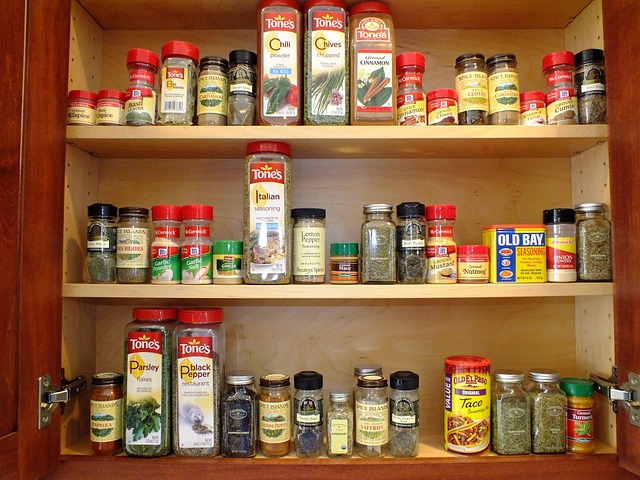
- Pasta and rice: Shelf life of 1-2 years, frequently 50% off during sales, versatile base for countless meals
- Canned goods: Tomatoes, beans, tuna, chicken, vegetables last 2-3 years and regularly go on sale
- Baking supplies: Flour, sugar, baking soda, baking powder, yeast—all store well and see seasonal sales before holidays
- Oils and vinegars: Long shelf life, expensive at full price, worth stocking up during sales
- Condiments: Ketchup, mustard, mayonnaise, salad dressings—sealed bottles last 1-2 years, often BOGO deals
- Breakfast items: Cereal, oatmeal, pancake mix, syrup—frequent promotions, easy storage
- Snacks: Crackers, granola bars, nuts (properly stored)—sales around back-to-school and holidays
- Broths and stocks: Essential for cooking, excellent shelf life, frequent sales
Freezer staples:
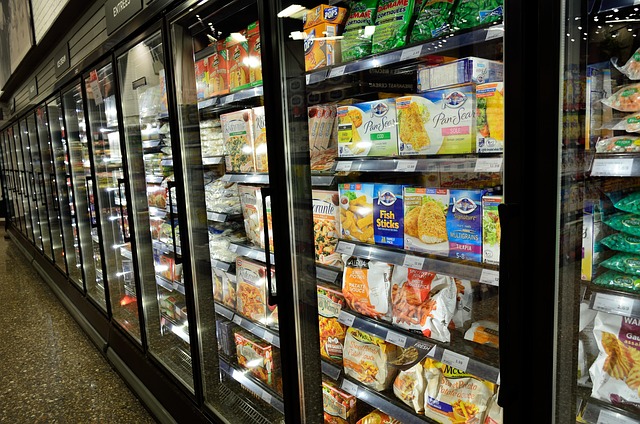
- Proteins: Chicken breasts, ground beef, pork chops bought on sale and frozen maintain quality for 4-12 months
- Bread: Sliced bread freezes beautifully for 3-6 months, buy when on sale
- Butter: Freezes perfectly for 6-9 months, stock up during holiday baking season sales
- Cheese: Hard cheeses freeze reasonably well (texture changes slightly), great for cooking
- Vegetables: Frozen vegetables are already at peak freshness, buy during sales
- Prepared items: Cookie dough, pizza dough, pre-made meals when deeply discounted
Refrigerated staples:
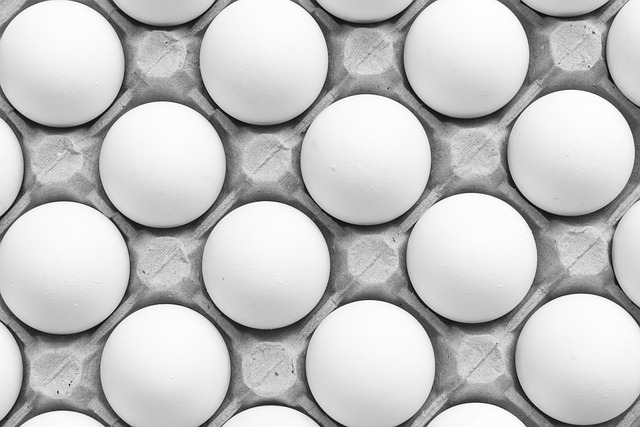
- Eggs: Surprisingly long refrigerator life (4-5 weeks), can be frozen (out of shell)
- Dairy: Milk can be frozen, yogurt lasts weeks, cheese keeps well
- Fresh produce with longer life: Carrots, cabbage, apples, potatoes, onions last weeks when properly stored
How Much to Stockpile
The "right" amount depends on your storage space, budget, and household size, but here's a general framework: For shelf-stable items: Buy enough to last until the next sale cycle (typically 6-12 weeks). If pasta goes on sale for $0.88/box and your family eats pasta twice a week, buy 12-16 boxes. This gives you a 6-8 week supply at the sale price. For freezer items: Buy what you can reasonably freeze and will use within the safe storage window. If chicken breast goes on sale for $1.99/lb (versus $4.99/lb regular price), and you have freezer space for 10 pounds, that's $30 in savings over the next few months. For fresh items: Buy only what you'll use before spoilage unless you plan to preserve it (freezing, canning, dehydrating). The key metric: calculate your usage rate, then buy enough on sale to last until you expect the item to be on sale again. This prevents both running out and over-buying.
Storage Systems That Work
A stockpile only saves money if you actually use what you've bought. Disorganized stockpiles lead to waste, expired food, and duplicate purchases. First In, First Out (FIFO): Store new purchases behind older items so you use older stock first. This prevents items from expiring in the back of the pantry while you use fresh purchases. Rotation system: Organize by category with oldest items in front. When you buy new pasta, put it behind existing pasta. Grab from the front when cooking. Visibility is key: Use clear containers or labels so you can see what you have at a glance. If you can't see it, you'll forget about it and either let it expire or buy duplicates.
Zone your storage:
- Pantry: Group similar items (baking, canned goods, pasta/grains, breakfast, snacks)
- Freezer: Designate areas for different categories (meats, bread/baked goods, prepared foods, vegetables)
- Refrigerator: Front for items approaching use-by dates, back for fresher stock
Inventory system: Keep a simple running list of what you have and approximate quantities. This prevents overbuying and helps you spot when you're running low and should watch for sales. A smartphone photo of your pantry/freezer before shopping trips works surprisingly well. Storage containers: Invest in airtight containers for opened dry goods. Flour, sugar, rice, pasta, and cereal all benefit from sealed storage that prevents pests and extends freshness.
Calculating Real Savings

Stockpiling only makes financial sense if you're actually saving money, not just spending more upfront. Here's how to calculate whether a stockpile purchase is worth it: Price per unit comparison: Always compare unit prices (price per ounce, per pound, per count) rather than package prices. Sometimes the "sale" isn't actually a deal. This is where Smopper becomes invaluable-giving you insight into those per unit prices. Baseline price tracking: Know what items typically cost at full price so you recognize a real deal. If you’re able to track historical pricing data so you know if $1.99/lb chicken is genuinely good or just slightly less expensive than usual. Calculate savings vs. opportunity cost: If pasta normally costs $1.49 and is on sale for $0.88, you save $0.61 per box. If you buy 12 boxes, that's $7.32 in savings. But you're also spending $10.56 upfront that could be used elsewhere. Is that worthwhile? Generally yes, if you were going to buy pasta anyway over the next few months. Avoid the "deal trap": Don't buy something just because it's on sale if you don't regularly use it. A 50% discount on something you'll never eat is still wasted money. Stick to items you know your household consumes. This is where I fail at Costco. In my head I'm thinking "if we like it, this will be a great value!", but then the purchase falls flat at home. It's as simple as don't buy what you don't know. Factor in storage costs: If you're running a second freezer, the electricity costs $30-50 annually. Your stockpile savings should exceed the cost of maintaining the storage space. Measure actual usage: Track how long your stockpile items actually last. If you bought 20 cans of soup expecting them to last 6 months but they're sitting there a year later, you've tied up money unnecessarily.
Common Stockpiling Mistakes to Avoid
Even experienced stockpilers make these errors: Over-buying perishables: That great deal on strawberries doesn't save money if half of them mold before you eat them. Be realistic about consumption rates. Don't forget to freeze what you actually have space for. Fresh frozen strawberries are great in smoothies. Ignoring expiration dates: Buying 50 cans of something with a 6-month shelf life when you only eat 2 per month means 38 cans will expire. Check dates before bulk buying. Buying items you don't actually like: Sale prices tempt us to buy things we "should" eat or think we "might" use. If your family doesn't eat canned green beans, don't buy them even at 50% off. Lack of organization: A disorganized stockpile leads to forgotten items, expired food, and duplicate purchases that negate any savings. Neglecting proper storage: Flour and grains can get weevils. Nuts go rancid. Frozen items get freezer burn. Proper storage techniques are essential to protecting your investment. Tying up too much money: If stockpiling means you can't pay this month's bills, you've gone too far. Build your stockpile gradually within your monthly budget. Buying poor quality just because it's cheap: Generic brands can be great values, but rock-bottom prices sometimes signal poor quality that nobody wants to eat. Don't sacrifice too much on quality. Forgetting to use what you've stockpiled: The whole point is to eat from your stockpile and avoid paying full price later. If you keep buying at regular price because you "forget" you have stockpiled items, you're just wasting money and space.
Advanced Stockpiling Strategies
Once you've mastered basic stockpiling, these advanced techniques can maximize savings: Loss leader strategy: When stores offer deeply discounted loss leaders (items sold below cost to drive traffic), buy your maximum reasonable amount. These are the deepest discounts you'll see. Holiday timing: Stock up on baking supplies before Thanksgiving, grilling items before Memorial Day, candy after Halloween and Valentine's Day, baking chocolate after Easter. Holiday-adjacent sales are predictable and deep. Manager's markdowns: Many stores mark down meat, bread, and produce approaching sell-by dates by 30-50%. If you plan to use or freeze these items immediately, the savings are substantial. Combine sales with coupons: When an item is both on sale AND you have a coupon, the combined savings can be dramatic. Digital coupons from store apps stack with manufacturer sales. Buy the limit: When stores impose purchase limits (usually because the deal is so good they're losing money), that's a signal to buy the maximum. They wouldn't limit purchases if the deal weren't exceptional. Cross-store shopping: Use Smopper to identify which items are best priced at which stores, then plan a strategic shopping trip hitting multiple stores for their best deals. This works best when stores are close together to minimize time and gas costs. Seasonal produce preservation: Buy produce at peak season prices and preserve it. Freeze berries and stone fruit, make and can tomato sauce, freeze herbs in oil. Your winter self will thank you. Meat management: Buy family packs or larger cuts on sale, then portion and repackage at home. A whole pork loin at $1.99/lb that you cut into chops and roasts yourself is dramatically cheaper than pre-cut individual chops at $4.99/lb.
Stockpiling for Different Household Sizes
The stockpiling approach needs to scale appropriately: Singles and couples: Focus on shelf-stable items and freezer goods that don't require eating the same thing repeatedly. Smaller quantities of more variety. Consider splitting bulk purchases with friends. Families with young children: Prioritize kid-friendly staples that get used quickly—pasta, cereal, snacks, chicken. Larger quantities make sense because turnover is fast. Empty nesters: Be careful not to over-buy based on old family-size consumption patterns. Smaller stockpile quantities of more diverse items work better. Multi-generational households: Larger stockpiles make sense, but need careful organization since multiple people are accessing the storage. Clear labeling and communication prevent duplicate purchases.
Building Your Stockpile on a Budget
You don't need a huge upfront investment to start stockpiling. Build gradually: Week 1: Add $10-15 to your grocery budget and buy 2-3 sale items to start your stockpile. Maybe pasta, canned tomatoes, and rice. Week 2: Another $10-15 on different sale staples. Perhaps canned beans, chicken when it's on sale, cereal. Week 3: Continue the pattern. Each week, add a few stockpile items while still buying your regular groceries. After 8-12 weeks: You'll have enough stockpiled that you can start "shopping your pantry" first, reducing your weekly grocery spending. This frees up money to accelerate stockpile building. After 6 months: You should have a working stockpile that covers most staples, and your weekly shopping trips become primarily about fresh items and replenishing stockpile items when they hit sale prices. The beauty of this approach: you're never spending dramatically more than your normal grocery budget, just gradually shifting that spending toward strategic purchases at better prices.
How Smopper Maximizes Stockpiling Success
Effective stockpiling requires knowing when prices are genuinely good versus just "okay." This is where Smopper becomes essential: Price history tracking: Smopper shows you the price history for items, so you know whether this week's "sale" on chicken breast at $2.99/lb is actually a good deal or if it routinely goes to $1.99/lb every few weeks. This prevents premature stockpile purchases at mediocre prices. Cross-store comparison: One store's sale price might still be higher than another store's regular price. Smopper lets you identify the actual best deal rather than assuming the store you're in has the best price. Deal alerts: Set up notifications for items you're waiting to stockpile. When chicken drops to your target price at any tracked store, you'll know immediately and can plan a stockpile run. Unit price clarity: Smopper automatically shows unit pricing, making it easy to compare a sale on 1-lb packages versus a family pack, or name brand versus store brand. Shopping list optimization: Build your stockpile shopping list in Smopper to see total costs and ensure you're staying within budget while maximizing value. Stockpiling without price intelligence is just guessing. Smopper turns stockpiling into a strategic, data-driven approach that genuinely reduces your grocery spending.
The Bottom Line
Building a strategic pantry stockpile is one of the most effective ways to reduce long-term grocery costs without sacrificing food quality or eating things you don't enjoy. By buying items at their lowest prices in quantities that carry you to the next sale cycle, you can reduce your grocery spending by 20-40% compared to shopping purely based on immediate needs. The keys to successful stockpiling:
- Focus on items you actually use regularly
- Buy quantities you can properly store and will realistically consume
- Organize your stockpile so items don't get forgotten or expire
- Track prices so you recognize real deals
- Build gradually within your budget
Start small, stay organized, and be patient. A well-managed stockpile becomes a grocery budget superpower that frees you from the tyranny of paying whatever stores charge whenever you happen to run out of something. With tools like Smopper helping you identify genuine deals and track prices over time, stockpiling becomes less about luck and more about strategy—and that's when the real savings begin. Happy stockpiling!